
Relationship advice & insights.
I'm Mark Ryan, a BACP Accredited Psychotherapist and NCPS Accredited Relationship Therapist working with relationships, couples, individuals, and polycules across London. This is where I write about the things that come up most often in the therapy room; jealousy, coming out to a partner, separation, sex and intimacy, and the ordinary arguments that usually aren't about what they first appear to be about.
Some of what's here is written for couples working through something together. Some of it is for one person trying to make sense of their own experience before bringing a partner into it. All of it is grounded in research and real clinical practice, not generic advice dressed up as insight.
Browse the archive.
Search by keyword, or filter by topic, to find the article you're looking for or browse the newest articles blelow.
- Attachment 7
- Attachment and Patterns 2
- Communication 5
- Communication and conflict 7
- Consensual Non Monogamy 2
- Couples therapy London 77
- Emotional Abuse 4
- Ethical Non Monogamy 2
- Grief and Loss 1
- Infidelity & Betrayal 5
- Jealousy 3
- LGBT+ Therapy 19
- LGBTQ+ Couples 13
- Labels 4
- Mental Health and Wellbeing 19
- Money and Relationships 4
- Neurodiversity and Relationships 3
- Non-Monogamy and Open Relationships 5
- Parenting 4
- Polyamory 2
- Pre-Marital Therapy London 1
- Relationship Therapy London 1
- Relationship therapy London 75
- Separation and Divorce 7
- Sex and Intimacy 9
- Summer 4
- Trust and Repair 4

When One Partner Wants to Travel and the Other Doesn't
When travel becomes a recurring source of tension between you and your partner, the disagreement is rarely really about the trip. A London couples therapist explains what's underneath it.

How to Know When a Relationship Is Over
Wondering if your relationship is over? A London couples therapist looks at what’s really being weighed when this question won’t go away, and what can help.

Summer and Infidelity: What the Research Actually Says
Online claims about summer affairs are often overstated. A London relationship therapist on what the research really shows, and what it does and doesn't mean.

When to Go to Couples Therapy: Signs You Shouldn't Wait
Wondering whether your relationship needs therapy? Mark Ryan, a London relationship therapist, explains the research-backed signs it's time to seek help, and why most couples wait too long.
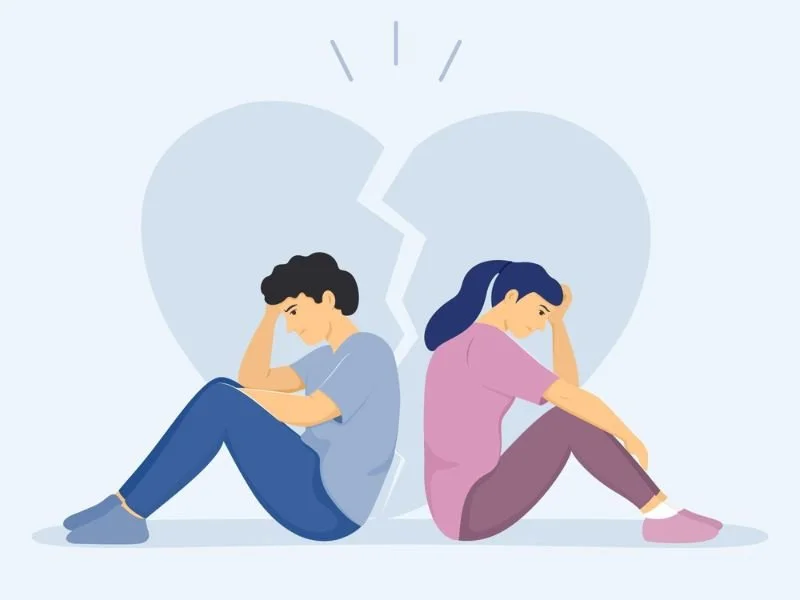
Your First Couples Therapy Session in London: What Actually Happens
What actually happens in a first couples therapy session? Mark Ryan, a London relationship therapist, walks through the consultation, the session itself, and what to expect.

How to Stop Arguing with Your Partner: A Guide to Breaking the Cycle
Every couple argues. But when the same fights keep happening with no resolution, something deeper is at play. Relationship therapist Mark Ryan explains what drives conflict cycles and how to break them.

After Betrayal: How Couples Can Heal from Infidelity and Rebuild Trust
If your relationship has been rocked by infidelity, you need honest guidance. A BACP Accredited London therapist on what recovery actually involves.

How to Talk to Your Partner About Sex: Asking for What You Want
Talking about sex with your partner can feel daunting, but research shows it's one of the most powerful things couples can do. Relationship therapist Mark Ryan explains how to start the conversation.

When Your Sex Drives Don't Match: Understanding Desire Discrepancy in Relationships
Mismatched libidos affect up to 80% of couples at some point. Relationship therapist Mark Ryan explains what desire discrepancy really means, why it happens, and how couples therapy can help.

Is Our Sex Life Normal? Understanding Sexual Desire and Intimacy in Relationships
Many couples carry a quiet anxiety about their sex life — wondering if what they have is "normal," but never quite finding the words to ask. This article explores why there is no universal benchmark for sexual desire, how the erotic and companionship dimensions of a relationship work differently, and what it means when desire shifts over time. An honest, shame-free introduction to one of the most important — and least spoken about — areas of relationship life.

Repair After a Fight: A Step-by-Step Guide to Rebuilding Safety and Trust
Conflict is inevitable in close relationships — but disconnection doesn’t have to be. This practical, step-by-step guide explores how couples can repair after a fight, rebuild emotional safety, and restore trust through intentional communication and empathy. Learn why repair matters more than being right, and how therapy can provide powerful tools to break negative cycles and strengthen long-term connection.
How Secure Attachment Shapes Adult Relationships (and Why It’s Never Too Late to Heal)
Secure, anxious, avoidant, disorganised: a London couples therapist explains the four adult attachment styles, how they shape relationships, and how earned security develops in therapy.
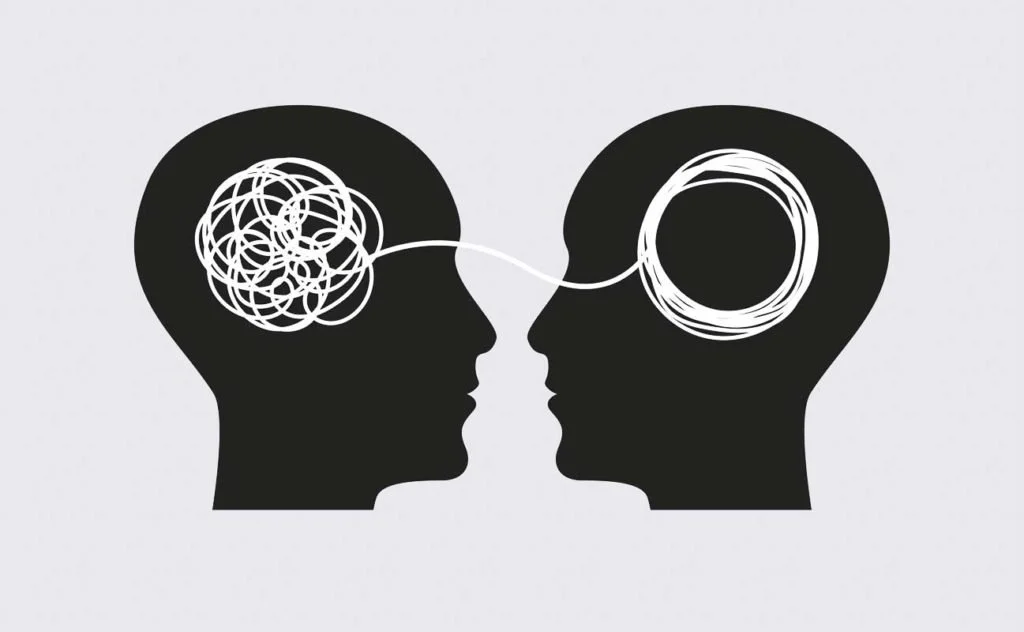
Is Therapy Right for Me? A Self-Assessment Guide
Wondering if therapy is right for you? This supportive self-assessment guide explores the signs you may benefit from counselling, when it might not be the best option, and how to decide if therapy is the right step for you now.
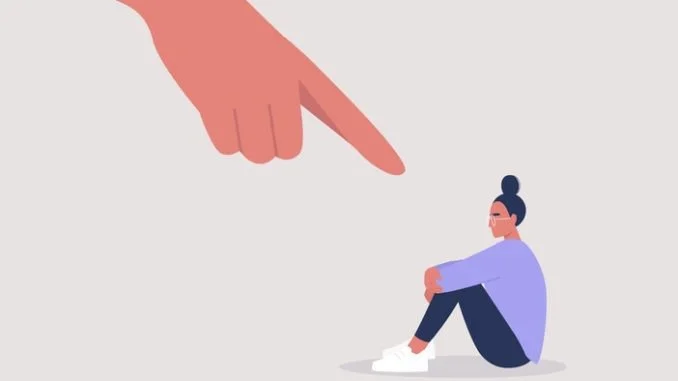
Blame in Relationships: Why We Do It, How It Hurts, and What Therapy Can Offer
Blame can erode connection. Discover why it happens and how therapy can help couples reconnect.

What to Expect from Couples Therapy: A Realistic Guide from a London Therapist
What does couples therapy actually involve? A London relationship therapist explains the assessment, the working phase, the ending, how long it takes, and what real progress looks like.