Repair After a Fight: A Step-by-Step Guide to Rebuilding Safety and Trust
Conflict is an inevitable part of any close relationship. Two people with different histories, attachment styles, communication habits, and emotional triggers will not move through life without friction. Yet it is not conflict itself that determines the health of a relationship — it is how repair happens afterward. Research consistently shows that successful couples are not those who avoid disagreement, but those who know how to reconnect, soothe, and rebuild safety after moments of rupture (Gottman & Silver, 1999).
Repair is the emotional bridge that brings partners back from defensiveness, hurt, and distance into understanding and closeness. When repair is neglected, resentment accumulates and trust erodes. When it is practiced with intention, relationships often become stronger and more resilient than before the conflict occurred.
This post outlines a practical, psychologically informed step-by-step approach to repair after a fight, alongside reflections on when professional therapy can provide essential support.
Why Repair Matters More Than “Winning”
In moments of conflict, the nervous system shifts into protective modes — fight, flight, freeze, or fawn. Words become sharper, listening narrows, and the brain prioritises self-protection over connection. In these states, people often argue to be right rather than to be understood.
However, long-term relationship satisfaction is less about who was correct and more about whether both partners feel emotionally safe afterward. Emotional safety refers to the belief that one can express vulnerability without fear of ridicule, punishment, or abandonment (Johnson, 2008). Repair restores this safety.
Without repair:
Small disagreements become symbolic of deeper wounds.
Partners withdraw or escalate more quickly over time.
Trust slowly diminishes.
Emotional intimacy reduces.
With repair:
Conflicts become opportunities for growth.
Partners learn each other’s emotional landscapes.
Mutual empathy increases.
Trust deepens through demonstrated care.
Repair is not about erasing the conflict; it is about integrating it in a way that strengthens connection.
Step 1: Pause and Regulate the Nervous System
Attempting repair while still emotionally flooded rarely succeeds. Physiological arousal — elevated heart rate, shallow breathing, and adrenaline — impairs empathy and reasoning (Gottman, 1999). Before meaningful dialogue can happen, both individuals need to return to a calmer baseline.
Practical regulation strategies include:
Taking a 20-to-30-minute break.
Slow breathing or grounding exercises.
A short walk outdoors.
Gentle stretching or movement.
Listening to calming music.
The intention is not avoidance but self-soothing. This step signals to the brain that the threat has passed, allowing access to the prefrontal cortex where empathy and reflection reside.
Step 2: Acknowledge the Rupture
Repair begins with recognition. Silence or pretending nothing happened often intensifies emotional distance. A simple acknowledgment can immediately soften defensiveness.
Examples might include:
“I can see that conversation really hurt us both.”
“I don’t like how we left things earlier.”
“I want to come back to this in a calmer way.”
Acknowledgment communicates care. It demonstrates that the relationship matters more than ego or avoidance. Research into attachment theory shows that responsiveness to emotional bids significantly predicts relationship stability (Ainsworth, 1978).
Step 3: Take Ownership of Your Part
Ownership is not about accepting total blame. It is about recognising one’s contribution to the dynamic. Even if the initial issue felt one-sided, the way we respond often contains elements we can take responsibility for.
Ownership statements might sound like:
“I raised my voice and I regret that.”
“I shut down instead of explaining what I felt.”
“I became defensive instead of listening.”
This step reduces power struggles and shifts the interaction from accusation to accountability. It signals emotional maturity and creates space for the other partner to reflect rather than defend.

In moments of conflict, the nervous system shifts into protective modes — fight, flight, freeze, or fawn.
Step 4: Express Feelings, Not Accusations
Repair requires vulnerability. Accusations such as “You always…” or “You never…” trigger defensiveness and prolong conflict cycles. Instead, focusing on internal experience invites empathy.
A helpful structure:
‘When X happened, I felt Y, because Z matters to me’
For example:
“When the plans changed suddenly, I felt anxious because I need predictability to feel secure.”
“When I wasn’t included, I felt hurt because connection is important to me.”
Emotionally focused communication increases understanding and reduces escalation (Johnson, 2008). The goal is to reveal the emotional layer beneath the anger.
Step 5: Listen to Understand, Not to Respond
True listening is rare during conflict because the mind prepares counterarguments rather than absorbing meaning. Repair requires a shift from debate to curiosity.
Active listening skills include:
Reflecting back what you heard.
Asking clarifying questions.
Avoiding interruptions.
Maintaining open body language.
Validating emotions even if you disagree with interpretations.
Validation does not equal agreement; it simply recognises that the other person’s feelings are real and meaningful. Feeling heard is one of the strongest predictors of relational satisfaction (Rogers, 1957).
Step 6: Offer and Receive Apologies Thoughtfully
An effective apology is specific, sincere, and free from defensiveness. It does not include qualifiers such as “but” or “if.” Research shows that apologies are most effective when they include acknowledgment of harm, expression of regret, and intention to change behaviour (Lewicki et al., 2016).
A strong apology might include:
Naming the behaviour.
Acknowledging impact.
Expressing remorse.
Stating intention to act differently.
Equally important is the ability to receive apologies. Acceptance does not mean forgetting; it means allowing space for repair and growth.
Step 7: Collaborate on Solutions
Repair is incomplete without forward movement. Once emotions settle, partners can discuss practical adjustments to prevent repeated cycles. This might involve:
Setting clearer expectations.
Establishing boundaries.
Creating communication agreements.
Planning regular check-ins.
Solutions should feel mutual rather than imposed. Collaboration reinforces partnership rather than hierarchy.
Step 8: Rebuild Connection Intentionally
After conflict, emotional closeness often needs gentle rebuilding. Small gestures of affection or appreciation can restore warmth:
A hug or reassuring touch.
A kind message later in the day.
Expressing gratitude.
Shared humour or lightness.
These actions signal safety and reaffirm the bond. Relationship repair is not only cognitive; it is deeply embodied and emotional.
When Repair Feels Difficult or Impossible?
Not all conflicts resolve easily. Patterns such as repeated criticism, stonewalling, contempt, or defensiveness — often referred to as the “Four Horsemen” (Gottman, 1999) — can erode relationships over time. When repair attempts fail repeatedly, professional therapy can be transformative.
How Therapy Supports Conflict Repair?
Couples or relationship therapy offers:
Neutral facilitation: A therapist holds space without taking sides.
Communication tools: Structured techniques for listening and expression.
Pattern identification: Recognising recurring cycles and triggers.
Attachment insight: Understanding how early experiences shape reactions.
Emotional regulation skills: Learning to stay present during difficult conversations.
Rebuilding trust: Guided exercises to restore safety.
Therapy is not solely for relationships in crisis. Many couples seek support proactively to strengthen communication and deepen understanding. Early intervention often prevents deeper resentment from forming.
When to Consider Therapy?
Conflicts escalate quickly and frequently.
Repair attempts repeatedly fail.
Emotional withdrawal or silence dominates.
Trust has been damaged.
Communication feels unsafe or hostile.
The same issues resurface without resolution.
Seeking therapy is not an admission of failure; it is an investment in relational health. Just as individuals benefit from personal development, relationships benefit from guided reflection and skill-building.
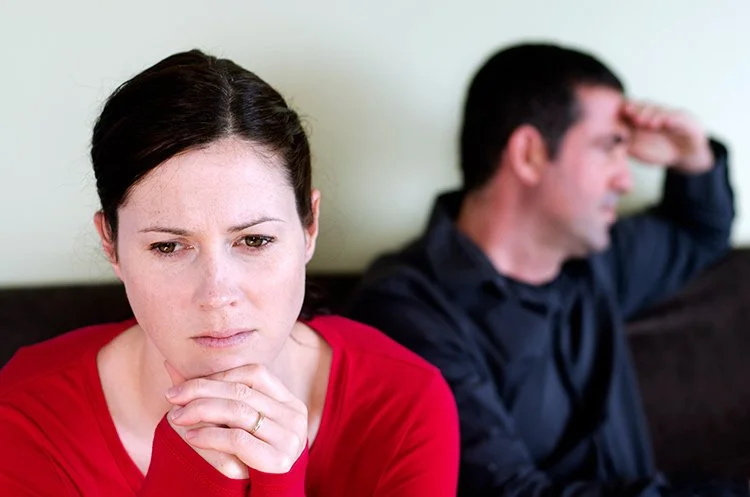
When repair attempts fail repeatedly, professional therapy can be transformative.
The Broader Impact of Effective Repair
Repair skills extend beyond romantic relationships. They influence friendships, family dynamics, and professional interactions. The ability to acknowledge harm, express vulnerability, listen deeply, and collaborate on solutions fosters healthier communities and workplaces.
In romantic partnerships, effective repair strengthens:
Emotional intimacy.
Mutual respect.
Psychological safety.
Long-term stability.
Personal growth.
Conflict then becomes less threatening and more constructive. Couples learn that disagreements do not signify disconnection but opportunities for understanding.
Final Reflections
Repair is not about perfection. It is about willingness — the willingness to return, to listen, to soften, and to grow. Every relationship experiences rupture: thriving relationships prioritise reconnection.
Learning repair skills is an ongoing process, and many people were never modelled healthy conflict resolution. Therapy can provide the structure, language, and emotional safety necessary to develop these skills. With practice, repair becomes less daunting and more natural, transforming conflict from a source of fear into a pathway toward deeper trust and resilience.
Author Bio
Mark Ryan is an Integrative Psychotherapist and the founder of Rise and Grow Therapy in London. He works with couples and relationships, specialising in relationship dynamics, communication, and emotional wellbeing. His approach combines evidence-based psychology with compassionate, client-centred support to help people build healthier, more connected lives.
References
Ainsworth, M. D. S. (1978). Patterns of Attachment: A Psychological Study of the Strange Situation. Lawrence Erlbaum.
Gottman, J. M., & Silver, N. (1999). The Seven Principles for Making Marriage Work. Crown Publishing.
Johnson, S. M. (2008). Hold Me Tight: Seven Conversations for a Lifetime of Love. Little, Brown and Company.
Lewicki, R. J., Polin, B., & Lount, R. B. (2016). An exploration of the structure of effective apologies. Negotiation and Conflict Management Research, 9(2), 177–196.
Rogers, C. R. (1957). The necessary and sufficient conditions of therapeutic personality change. Journal of Consulting Psychology, 21(2), 95–103.