
The Sunday Scaries: Why We Feel Them and How Therapy Can Help
Explore the psychology behind the “Sunday scaries,” practical strategies to ease anxiety before the week ahead, and how therapy can support lasting change for those struggling with chronic Sunday night dread.

Why doesn’t my partner listen to me?
In conflict, most couples don’t hear each other accurately—words get filtered through stress, assumptions, and past hurts. Here’s why it happens, what you can do, and how therapy can help.

Men’s Mental Health: How Masculinity Shapes Emotional Wellbeing
Men’s mental health is often overlooked, yet societal expectations of masculinity can leave many men struggling in silence. From the pressure to “man up” to the lack of emotional education, men are often taught to suppress their feelings rather than seek support. Therapy offers a safe, non-judgmental space to explore these challenges, build emotional awareness, and redefine what strength truly means.

Meeting the Inner Child: Understanding a Core Part of Ourselves
Many of our adult struggles—like anxiety, low self-worth, or difficulty with relationships—can trace their roots back to unmet needs from childhood. The concept of the inner child helps us understand how early emotional wounds continue to shape our daily lives. In this article, we explore what it means to reconnect with your inner child, how it shows up in everyday patterns, and how therapy can offer healing, safety, and transformation.

Modern Love, Many Forms: How Relationships Are Evolving in a Polyamorous and Monogamous World
The way we build and sustain relationships is changing — and that’s a good thing. From the history of marriage as a tool of property and control, to today’s growing conversations about polyamory, consensual non-monogamy, and redefining commitment, people are finding new ways to love and connect. But evolving relationships also bring new questions: What do we want from our partnerships? How do we navigate jealousy, boundaries, or societal expectations?
In this article, we explore how relationship models have shifted over time, why people are embracing more diverse ways of loving, and how therapy can support you in finding what feels right for you — whether that’s monogamy, polyamory, or something in between.
Blame in Relationships: Why We Do It, How It Hurts, and What Therapy Can Offer
Blame can erode connection. Discover why it happens and how therapy can help couples reconnect.

Always On: Reclaiming Your Mental Health from Phones and Social Media
In a world of constant pings and endless scrolling, our relationship with phones and social media is reshaping how we think, feel, and connect. This post explores the impact of digital habits on mental health, sleep, anxiety, and relationship intimacy—drawing from therapeutic insight at Rise and Grow Therapy. Whether you’re feeling overstimulated, disconnected from your partner, or simply tired of being “always on,” this guide offers practical strategies to help you reclaim your attention and build a healthier, more intentional relationship with technology.

Why Is It So Difficult to Talk About Sex and Desire in Relationships? And How Therapy Can Help
Talking about sex and desire in a relationship can feel awkward, even with the person you love most. Shame, fear of rejection, and silence often get in the way. As a couples therapist in London, I help partners open up, reconnect, and explore intimacy with honesty and care—because your desires matter, and so does your connection.

What to Expect from Couples and Relationship Therapy: A Realistic Guide
What really happens in relationship therapy? Whether you’re struggling to connect, navigating betrayal, or simply want to strengthen your bond, therapy offers more than crisis management. In this post, I share what you can expect from the process—challenges, rewards, and how I support couples and individuals to explore, reconnect, or part with care.
When Therapy Doesn’t Work (Yet): Understanding Setbacks, Stuck Points, and the Hope Ahead
Psychotherapy can be an extraordinary space for healing, growth, and insight. For many, it offers relief, clarity, and renewed strength. But what happens when therapy doesn’t seem to work? What if you feel stuck, disappointed, or even more confused than when you began?
This experience can feel disheartening and isolating—but it’s far more common than we often talk about. Importantly, a lack of immediate success in therapy doesn’t mean therapy is inherently flawed, or that you are. It may mean the timing isn’t quite right, the approach needs adjusting, or something vital has yet to fall into place. Therapy is not a one-size-fits-all process. And just because it hasn’t worked yet, doesn’t mean it won’t work—or that it can’t work beautifully, when the conditions are right.

Sadness or Depression? Understanding the Difference and When to Seek Support
Sadness is a universal human emotion. It touches all of us at various points in our lives, often as a natural response to loss, disappointment, or transition. Depression, on the other hand, is a mental health condition that extends beyond the realm of typical emotional experience. Yet, it’s not always easy to tell where one ends and the other begins. In a world where emotional language is increasingly used with openness, many people are left wondering: Am I just sad, or am I depressed?
This article aims to offer clarity on the difference between sadness and depression, explore how they show up in the body and mind, and provide guidance on when it’s time to seek professional support. Whether you’re trying to understand your own emotional state or support someone close to you, this is a compassionate space to explore these vital distinctions.
Dealing with Rejection: A Compassionate Guide
Rejection is an unavoidable part of life. Whether it’s a job application, a relationship, a creative endeavour, or even a social invitation, being told “no” or feeling excluded can sting deeply. For many of us, the natural response is to internalize rejection—to see it as a reflection of our worth, ability, or likability. However, learning to experience rejection without taking it personally is not only possible but incredibly freeing.
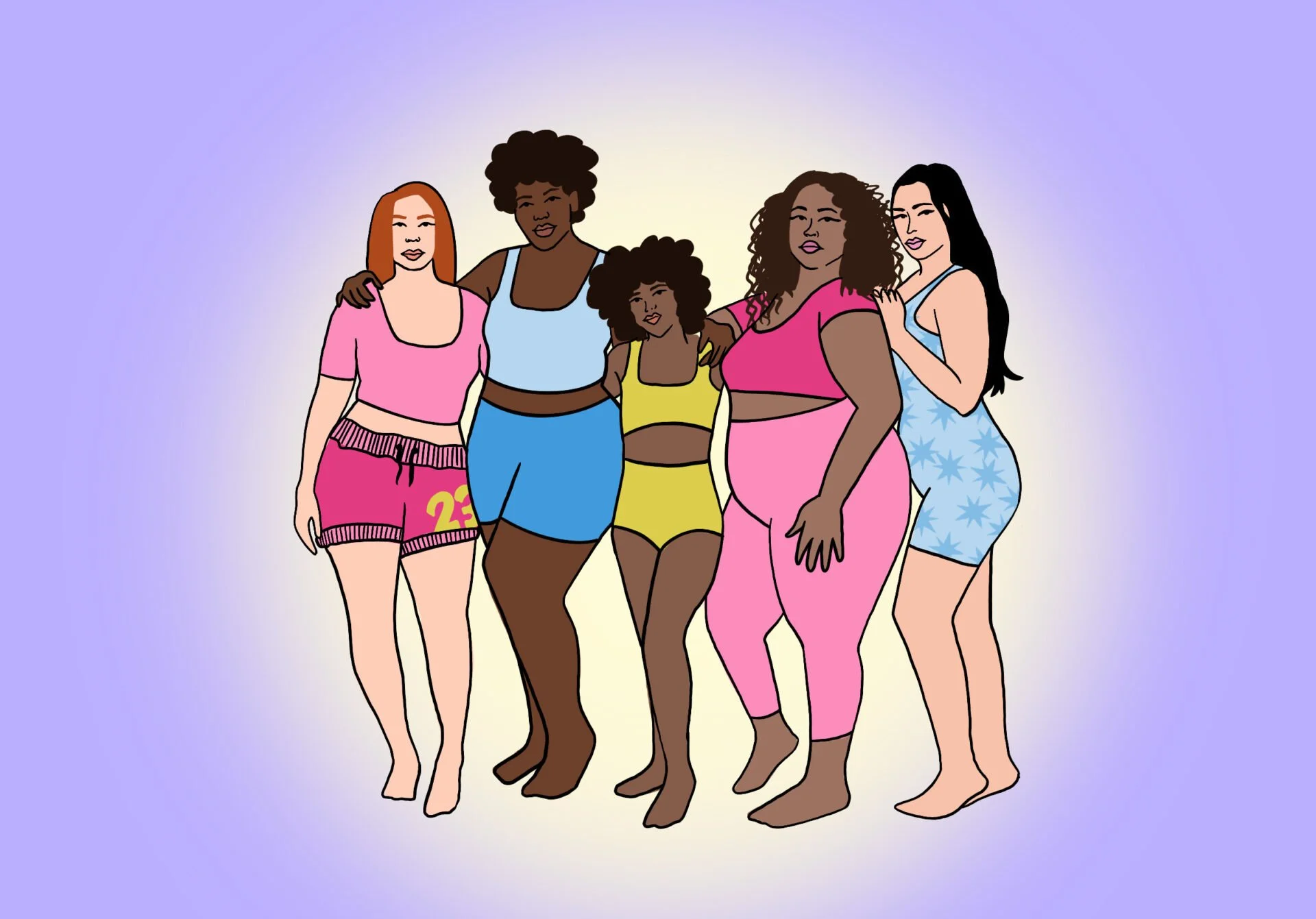
Learning to Love the Skin You’re In: Rebuilding Your Relationship with Your Body
For many of us, our relationship with our body is one of the most private — and most complicated — relationships we will ever have. It’s shaped by our earliest experiences, our culture, the media we consume, and the words spoken to us by parents, peers, and even strangers. At its worst, a poor body image can cast a shadow across every area of our lives — how we relate to others, how we show up at work, and even how we experience intimacy.
But this relationship, like any other, can be repaired. With care, attention, and sometimes therapeutic support, we can begin to reclaim a sense of connection with our bodies — one that is rooted in compassion, not criticism.
What OCD Really Is – And Why Popular Culture Often Gets It Wrong
Obsessive-Compulsive Disorder (OCD) is one of the most misunderstood mental health conditions. While it’s often referenced in a throwaway line — “I’m so OCD about my desk” — the reality for those who live with OCD is far more complex, painful, and debilitating than a preference for tidiness. These casual comments, though often harmless in intent, perpetuate myths that can make it harder for people with OCD to be taken seriously and access the support they need.
Why Do I Keep Ending Up in the Same Relationship? Understanding Repetition in Love
Have you ever found yourself asking, “Why do I keep dating the same kind of person?” or “Why does every relationship feel like a repeat of the last—when it’s not even what I want?” If so, you’re far from alone. This question surfaces regularly in therapy, and it often points to deeper, often unconscious dynamics playing out beneath the surface of our romantic lives.
This post explores why some people find themselves stuck in cycles of unsatisfying or unfulfilling relationships—and how therapy can help break the pattern.

8 Reasons Why People Think “Therapy Isn’t for Me” —and Why It Might Be More for You Than You Think
Despite therapy becoming more visible and accepted in recent years, many people still believe it’s not for them. Perhaps they’ve heard stories that don’t resonate, worry about stigma, or simply don’t feel “unwell enough” to justify it. These beliefs are deeply personal and often rooted in lived experience, upbringing, or cultural narratives. But what if those beliefs, while understandable, are based on myths or outdated ideas?
This post explores some of the most common reasons people think therapy isn’t for them—and gently unpacks why, for most people, therapy could actually be more accessible, meaningful, and relevant than they might realise.

The Healing Power of Tears: Crying, Mental Health, and Nervous System Regulation
In a world that often glorifies stoicism and emotional restraint, particularly among men, crying is frequently misunderstood, dismissed, or even stigmatised. Yet crying is a powerful and deeply human act, intricately tied to our mental health, emotional resilience, and the regulation of our nervous systems. Despite cultural discomfort around tears—especially adult tears—research and therapeutic insight affirm that crying is not only natural but profoundly healing.
Understanding Anxiety: The Role of Physical Safety and the Nervous System
Anxiety is a common and often distressing experience that affects millions of people worldwide. While it is frequently thought of as a mental or emotional issue, anxiety is deeply rooted in the body—particularly in the nervous system. Our sense of physical safety, or lack thereof, plays a crucial role in how our nervous system responds to perceived threats, and this can lead to the development of chronic anxiety. Understanding this connection can be empowering, helping individuals take practical steps toward healing.
This piece explores how our nervous system influences anxiety, how our physical sense of safety can contribute to its onset, and ways to manage and reduce anxiety through nervous system regulation, lifestyle changes, and psychotherapy.
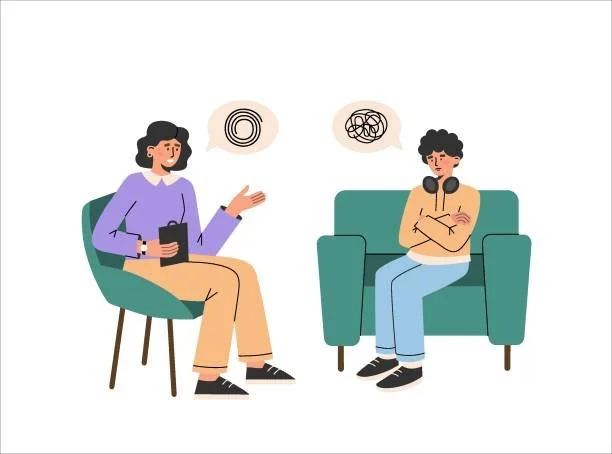
Women’s Mental Health: The Impact of Societal Pressures and the Role of Therapy
Women’s mental health is deeply influenced by societal expectations, gender roles, and systemic barriers. The pressure to excel in multiple areas of life while managing emotional labour can take a significant toll on mental well-being. Stigma and cultural expectations often prevent women from seeking the support they need, leaving many to suffer in silence.
However, therapy offers a path toward healing and empowerment. By providing a safe space for emotional expression, addressing perfectionism, teaching boundary-setting skills, and helping women break generational cycles of trauma, therapy plays a crucial role in fostering mental well-being.
It is essential to continue challenging societal norms that discourage women from prioritising their mental health. Seeking therapy is not a sign of weakness—it is an act of strength and self-care. When women feel supported in their mental health journeys, they can cultivate greater resilience, fulfilment, and overall well-being.

Work Addiction: Understanding the Causes, Signs, and Path to Recovery
In today’s ‘always on’ world, being busy is often seen as a virtue, or a badge of honour. Productivity is praised, and ambition is encouraged. But what happens when work stops being a healthy pursuit and becomes an all-consuming compulsion? Work addiction, also known as workaholism, is a serious issue that can negatively impact mental and physical health, relationships, and overall well-being. Let’s explores what work addiction is, its common causes, how it manifests, and practical steps for recovery.